

01
AssessAssessment
A thorough assessment to understand what's limiting you.
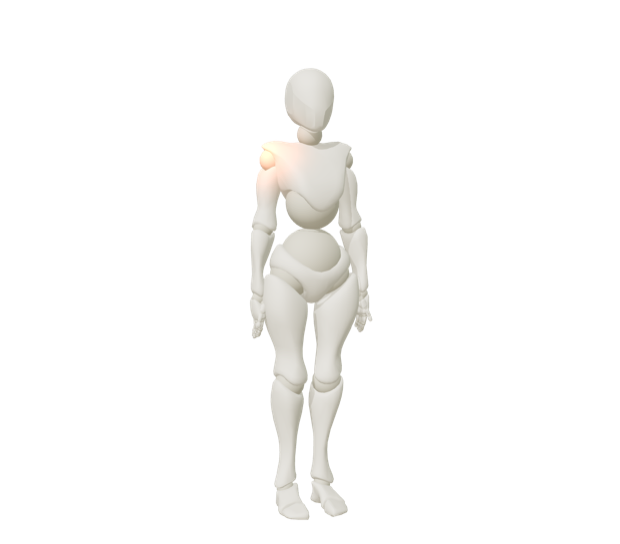
Turn the figure. Point to the area that's bothering you. We will help you understand what may be causing your pain, and how physiotherapy may help you get back to moving with confidence.
Assessment and treatment of muscles, joints, tendons, ligaments, and connective tissues through personalized, evidence-based rehabilitation.
average from 180+ patient reviews · Portland · See all ten specialities
We treat all of these conditions in our clinic. Choose yours to see how your rehabilitation program is designed.
 Musculoskeletal RehabilitationAssessment and treatment of muscles, joints, tendons, ligaments, and connective tissues through personalized, evidence-based rehabilitation.Learn more
 Chronic Pain RehabilitationEvidence-based care for persistent pain using comprehensive assessment, clinical reasoning, rehabilitation, and patient education.Learn more
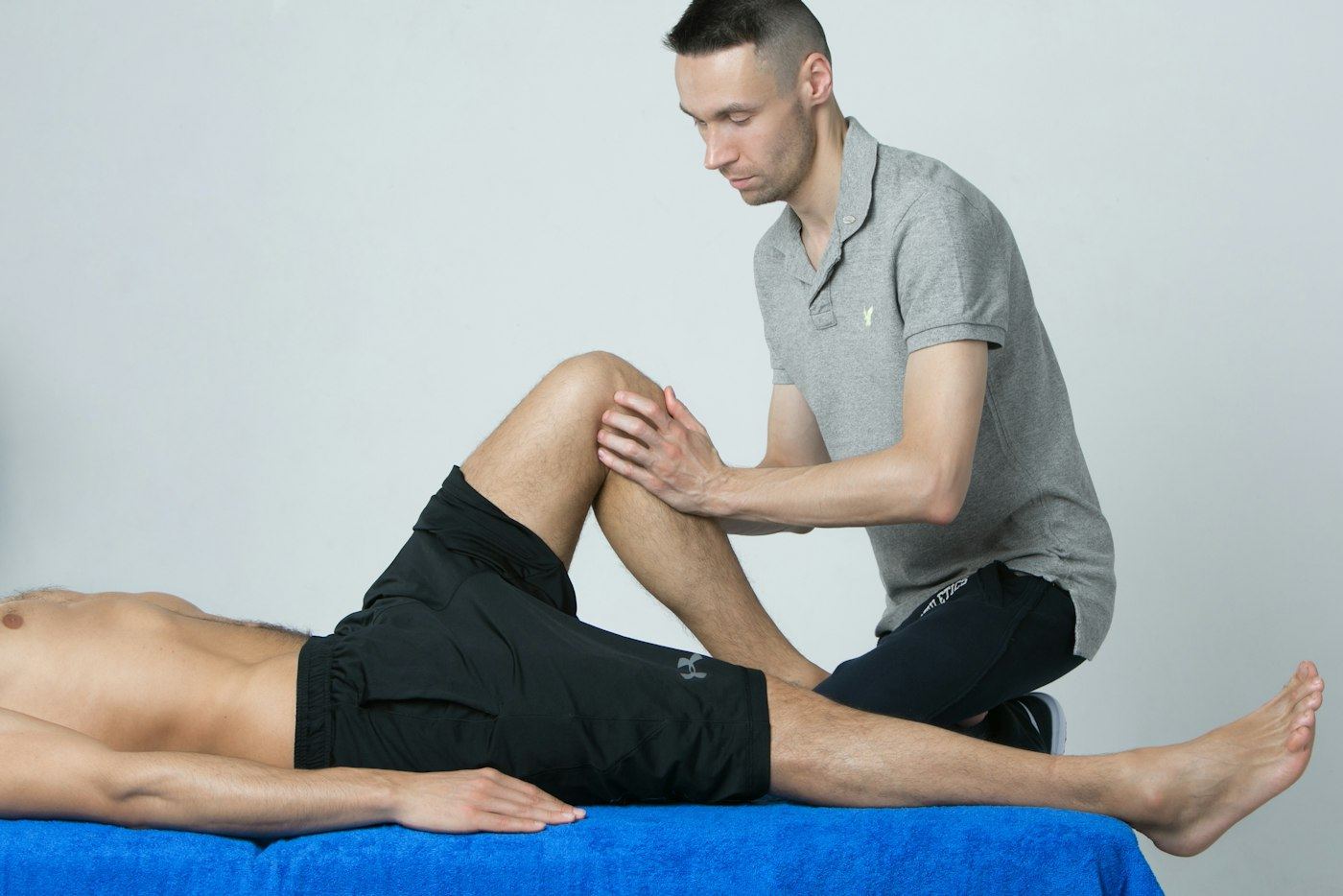 Sports Injury RehabilitationSpecialized rehabilitation for athletes — restoring physical qualities, minimizing re-injury risk, and returning to sport with confidence.Learn more
 Post-Operative RehabilitationStructured post-surgical recovery programs designed to protect healing, restore movement, rebuild strength, and return to daily life.Learn more
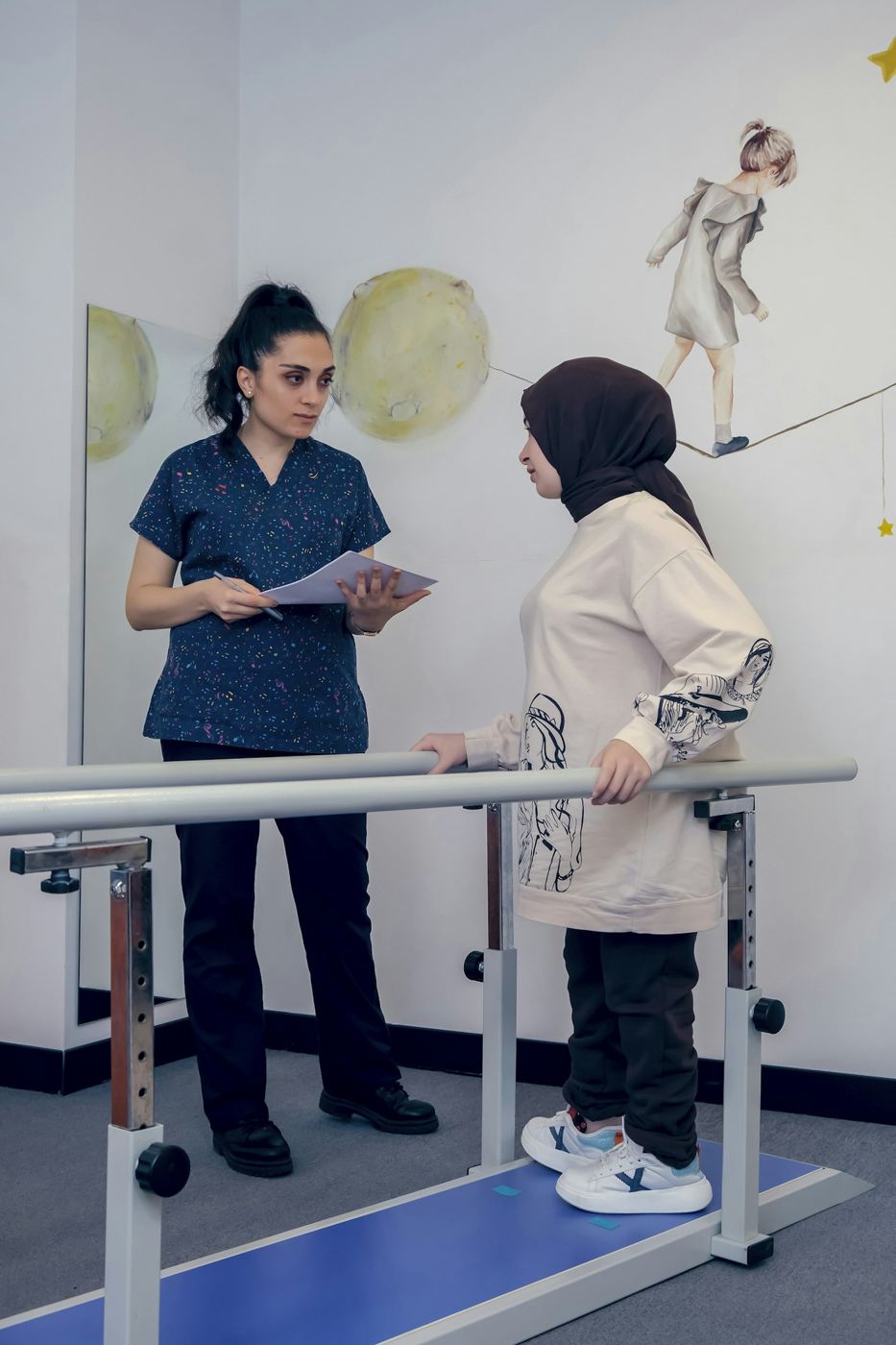 Neurological RehabilitationPersonalized rehabilitation for neurological conditions — maximizing functional abilities, improving mobility, and regaining independence.Learn more
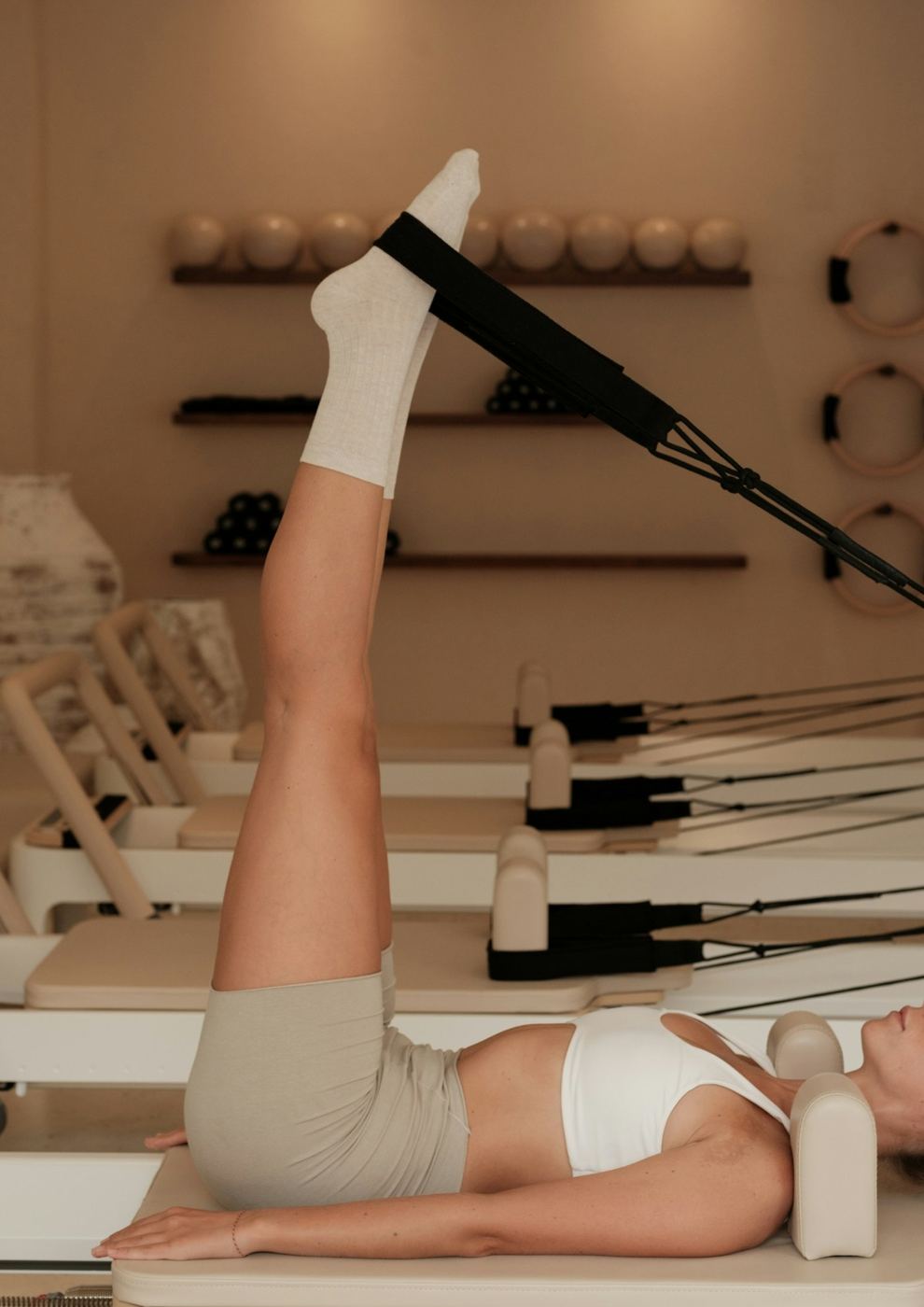 Women's Health PhysiotherapySafe, evidence-based rehabilitation supporting women during pregnancy, after childbirth, and in managing pelvic health conditions.Learn more
 Oncology RehabilitationSpecialized rehabilitation to help individuals safely recover from the physical challenges associated with cancer treatment.Learn more
 Corporate Health & Wellness ProgramsEvidence-based workplace wellness programs combining ergonomics, movement strategies, and preventive health for healthier workplaces.Learn more
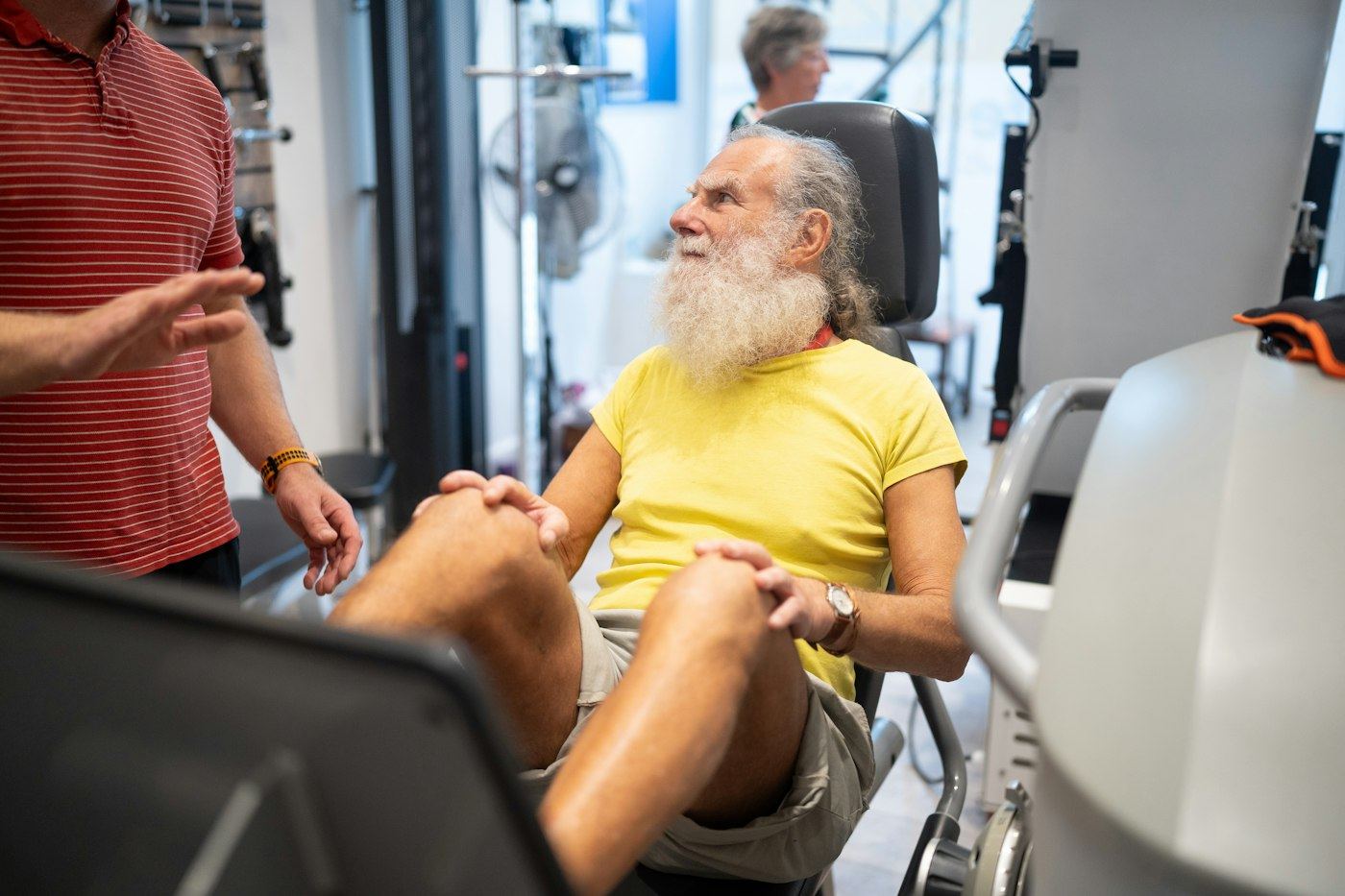 Vertigo & Vestibular RehabilitationSpecialized rehabilitation for vertigo, dizziness, and balance disorders to help you move safely and confidently.Learn more
 Lymphedema ManagementComprehensive decongestive therapy to effectively manage lymphedema and chronic swelling conditions.Learn more
Scroll or drag for more →
Our three guiding principles of care, brought to life through five steps to recovery.
A thorough assessment to understand what's limiting you.
We explain what we find and what your body needs to recover.
The right combination of hands-on care, exercise, and movement strategies for your needs.
Progressive exercise to develop strength, control, and physical capacity.
Your recovery is tested, with a clear plan for lasting movement and strength.
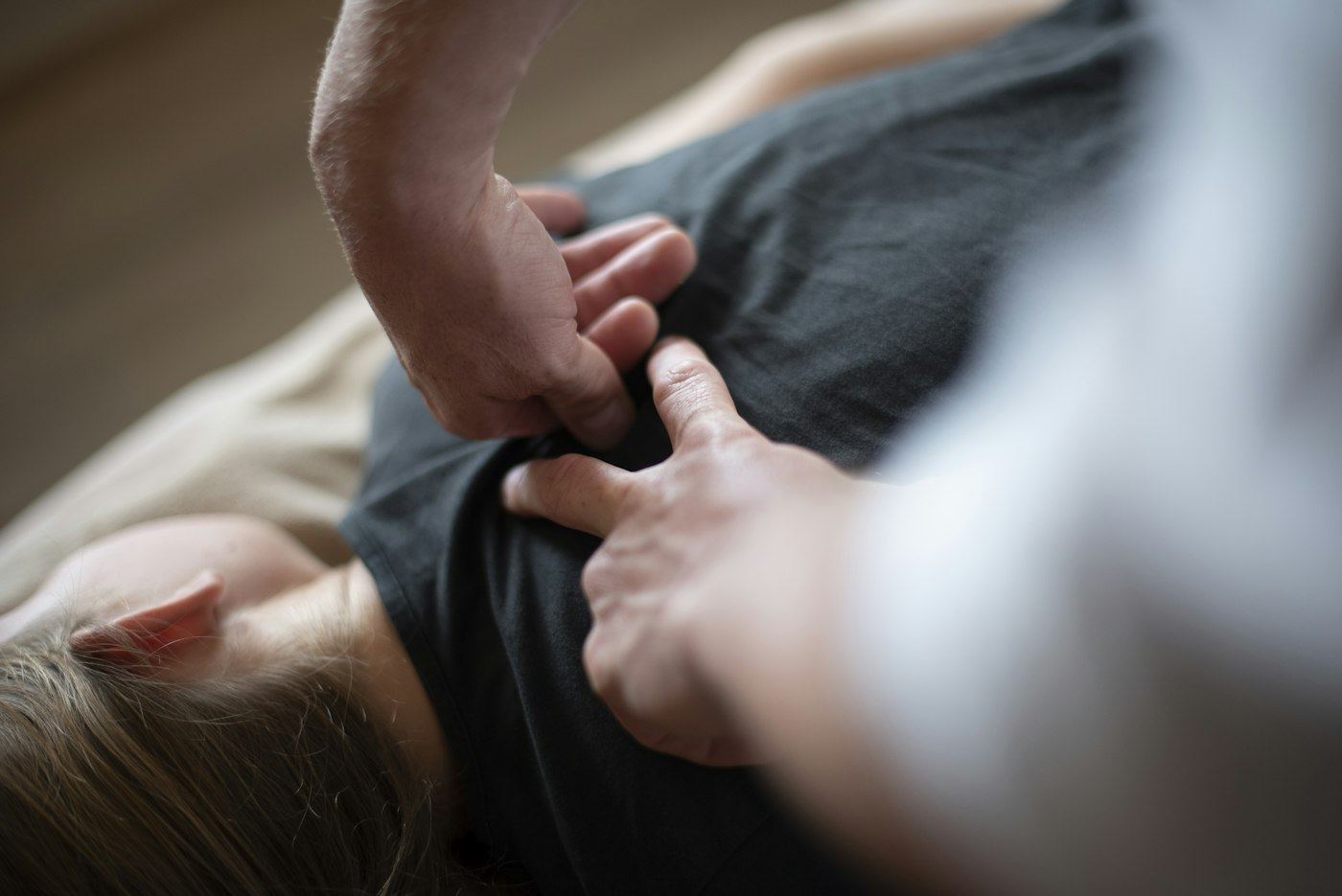
Not machines and heat packs. Hands-on treatment to improve movement, followed by progressive loading to make that change last.
See the full gallery
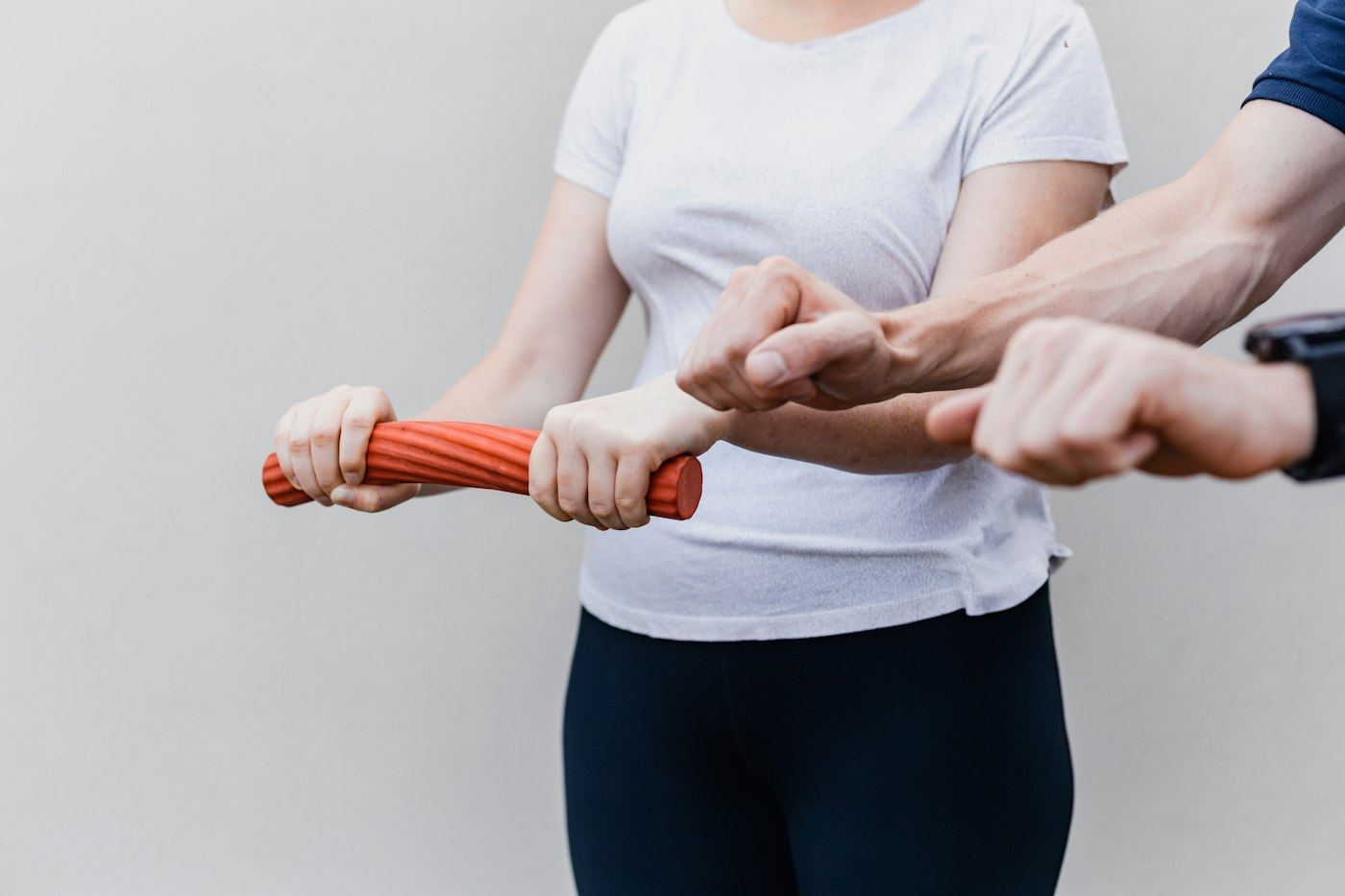

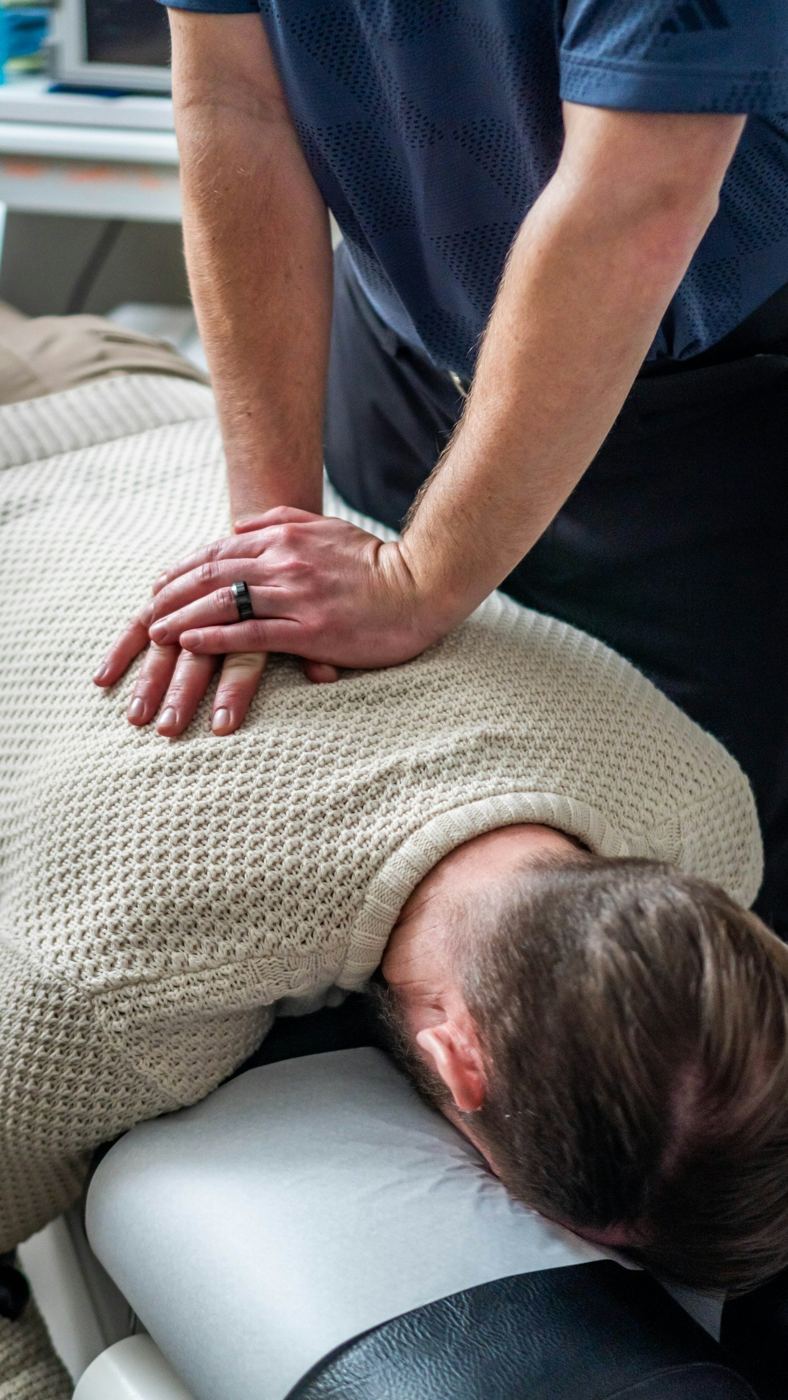

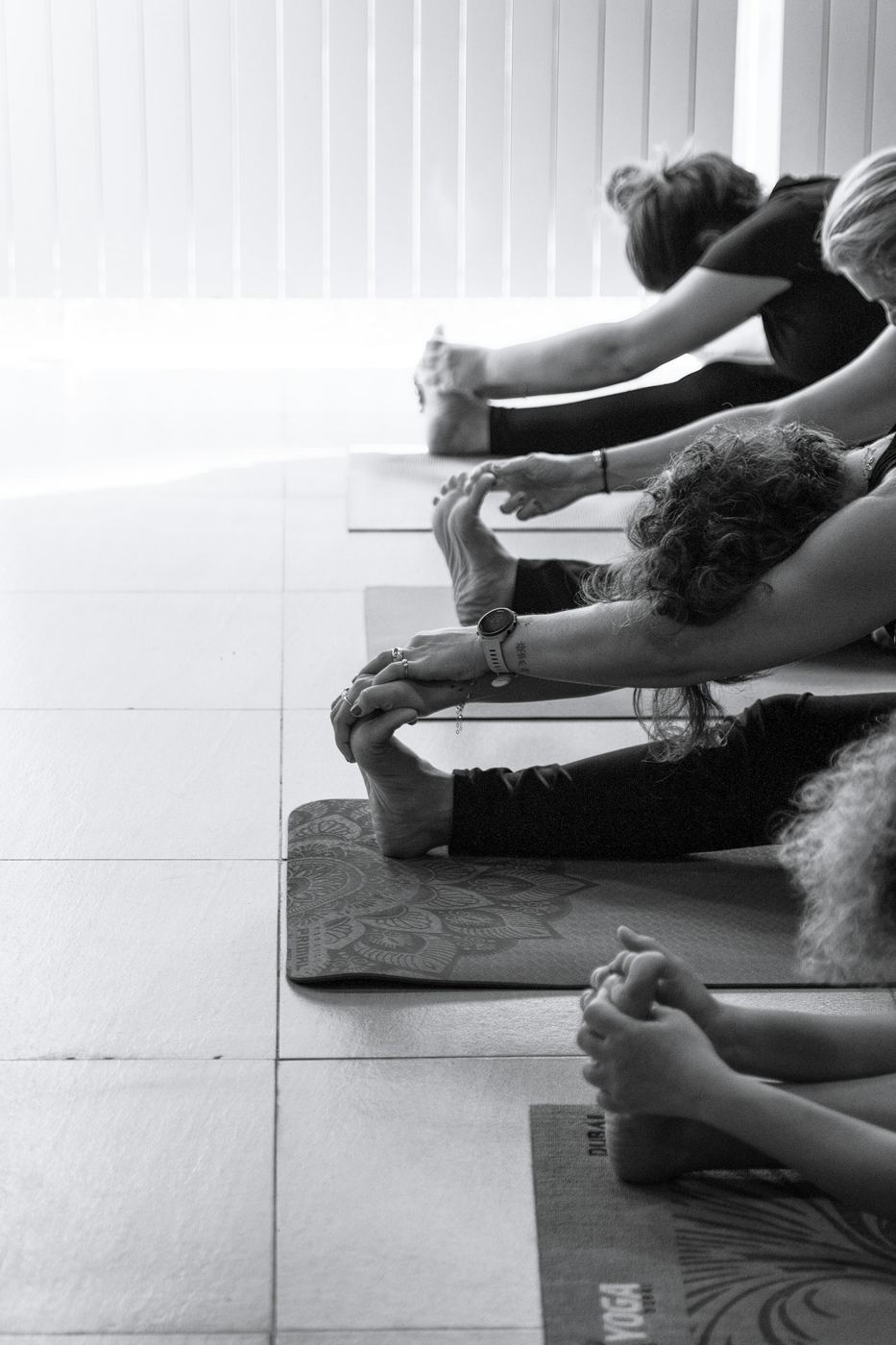

Assess → Rebuild → Return
The fern in our mark unfurls one frond at a time. That is how recovery works here: a careful assessment first, then steady, measured progress back to the things you love doing.
01
Every patient follows a documented clinical pathway, so your assessment, treatment, and progression stay consistent — whoever provides your care.
02
Every rehabilitation journey starts with objective assessment. We measure what matters — movement, mobility, strength, function, and performance — document your baseline, and use the data to guide and track your recovery.
03
Not just exercise. A plan that progresses with you. Your program is tailored, documented, and continuously progressed using your response and measurable progress.
04
We focus on helping you build the strength, movement, and capacity to stay better — not just feel better for a few hours.
Sample reviews written for this template preview. Results vary from person to person.
Want the rest? See every story
If yours is not here, ask us directly — we would rather answer it than have you guess.
Ask a questionNot usually. In Oregon you can see a physical therapist directly, though some insurance plans still ask for a referral. We will check your plan for you before your first visit.
Any scans, X-rays or reports you have, a list of medicines you take, and comfortable clothing you can move in — shorts are useful for knee or hip problems. If you have a referral letter, bring that too.
Your first visit is a full assessment: your history, how you move, and what is actually causing the pain. A licensed provider reviews your health history before any treatment begins. We then talk you through a treatment plan and usually start treatment in the same session.
Initial assessments take about 45–60 minutes. Follow-up sessions are usually 30–45 minutes, depending on what your plan involves.
It depends on the condition. Minor problems can settle in a few days; while chronic pain and post-surgical rehab run over several weeks. You will get a clear estimate after your first assessment, not an open-ended course.
Some hands-on techniques can feel briefly uncomfortable, but treatment should not hurt. We check in as we go and adjust to what you can tolerate.
An initial assessment is $145 and follow-up visits are $110, and we can check your insurance benefits before you book. Telehealth sessions are arranged case by case — call us on (503) 555-0172 and we will confirm costs before you book anything.
We are at 1418 SE Tacoma Fern Street, Suite 210, Portland, OR 97202, with free parking behind the building. We are open Monday to Saturday, 7:00 AM – 7:00 PM.
Name and phone number is all the form asks for. A member of the team calls you back within 24 hours to find a slot that works.